
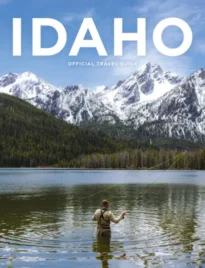
Idaho Vacation Guide
Planning a trip to the Gem State requires a solid strategy to see the best mountains, lakes, and high deserts. Travelers often seek a comprehensive Idaho Vacation Guide to ensure they don’t miss out on hidden hot springs or rugged trails. This region offers a diverse landscape that transitions from the rolling hills of the Palouse to the jagged peaks of the Sawtooth Range. Visitors can find world-class skiing in the winter and pristine hiking conditions during the summer months. Understanding the local climate and geography helps families and solo adventurers prepare for unpredictable weather. Whether someone is looking for a quiet retreat in a remote cabin or a lively weekend in a growing urban center, the options are vast and varied. Exploring the outdoors remains the primary draw for many people. Proper preparation ensures that every traveler experiences the natural beauty of this unique destination while staying safe, comfortable.
Exploring Northern and Central Wilderness Areas
The northern portion of the state features deep glacial lakes and thick forests that provide a lush backdrop for summer recreation. Lake Coeur d’Alene and Pend Oreille are major centers for boating, fishing, and waterfront dining. These areas offer a different vibe compared to the arid landscapes found further south. Travelers who enjoy water sports will find endless opportunities to explore the clear waters. Moving toward the central part of the state, the terrain becomes significantly more rugged. This area is home to vast wilderness areas where roads are scarce and the scenery is untouched.
Hikers and backpackers often flock to the Frank Church-River of No Return Wilderness. This massive protected area provides a sense of isolation that is hard to find elsewhere in the lower forty-eight states. People can spend days trekking through canyons and over mountain passes without seeing another person. It is vital to carry topographical maps and plenty of supplies when venturing into these remote locations. The central mountains also offer some of the best stargazing opportunities in the country due to the lack of light pollution.
For those interested in history, the region contains numerous ghost towns and old mining camps. These sites offer a glimpse into the late nineteenth-century gold rush that shaped the local economy. Visitors can walk through preserved buildings and learn about the hardships faced by early settlers. Combining outdoor adventure with historical exploration makes for a well-rounded itinerary. Each geographic zone provides distinct activities, making it important to research specific regions before arriving. This variety ensures that every visitor finds something that matches their interests and physical abilities. Local outfitters provide guided tours for those who prefer expert assistance while traversing the rocky trails and fast rivers. These specialized guides share stories about the geology and wildlife.
Must-Visit Natural Landmarks
- Craters of the Moon: This vast area of volcanic rock formations and lava tubes offers a lunar-like landscape that feels like another planet for curious explorers of all ages and backgrounds.
- Sun Valley Resort: This historic destination serves as a premier spot for winter sports enthusiasts and summer hikers looking for luxury amenities, refined dining, and well-maintained mountain trails for everyone.
- Snake River Canyon: Famous for its massive depth and the impressive Perrine Bridge, this canyon provides breathtaking views and exciting opportunities for BASE jumping, scenic photography, and relaxing river walks.
- Hells Canyon National Recreation Area: As the deepest river gorge in North America, this site offers thrilling jet boat tours and rugged hiking paths through spectacular wilderness terrain for those seeking extreme adventure.
- Sawtooth National Forest: This area contains dozens of alpine lakes and jagged peaks that provide a perfect setting for camping, fishing, and high-altitude trekking during the warm summer months.
- Thousand Springs State Park: Visitors can witness water gushing directly from canyon walls into the river, creating a stunning natural display that highlights the unique hydrogeology of the southern plains.
Southern Landscapes and Urban Gateways
Southern regions offer a stark contrast to the forested north, characterized by wide-open plains and unique geological features. The Snake River Plain dominates this area, providing fertile ground for agriculture and spectacular river views. Shoshone Falls, often called the Niagara of the West, is a must-see landmark during the spring runoff. The sheer volume of water cascading over the basalt cliffs creates a powerful display of nature. Nearby, the city of Twin Falls serves as a convenient base for exploring the surrounding canyons and parks.
Urban centers like Boise provide a mix of cultural attractions and outdoor access. The state capital features a vibrant downtown area with local breweries, diverse restaurants, and a dedicated greenbelt for cycling and walking along the river. This city acts as a gateway for many people starting their journey through the state. It is a place where modern convenience meets accessible recreation, allowing visitors to enjoy a morning hike and an evening theater performance in the same day.
Planning a trip during the shoulder seasons can provide a more peaceful experience. Spring and fall offer milder temperatures and fewer crowds at popular landmarks. During these times, the colors of the landscape shift dramatically, providing excellent photo opportunities. Whether looking for the golden hues of autumn leaves or the bright wildflowers of early June, timing the visit is key. This Idaho Vacation Guide helps tourists decide which season aligns best with their preferred activities. Understanding the regional differences helps in creating a balanced travel plan that covers both the famous sights and the quiet corners of the state. These plans often lead to deeper connections with the environment. Furthermore, the southern region features unique geological formations like the City of Rocks, where granite spires rise from the desert floor, attracting climbers and hikers.
A successful trip to the Pacific Northwest requires careful thought and a reliable travel resource to uncover the best spots. Travelers should focus on the diverse ecosystems and historical sites that make this area special. From the deep canyons to the high mountain peaks, there is a wealth of discovery waiting for every visitor. Prioritizing safety and environmental preservation ensures these locations remain pristine for future generations. By following a well-structured plan, explorers can maximize their time and enjoy a memorable adventure across the Gem State. For more details on planning a future trip, check out this Idaho Vacation Guide.